
CLINICAL CASE
Closing Tooth Spaces With Composite Bonding
Closing a smile gap with non-invasive composite bonding at SOL Dental Arts in Maspeth, Queens.
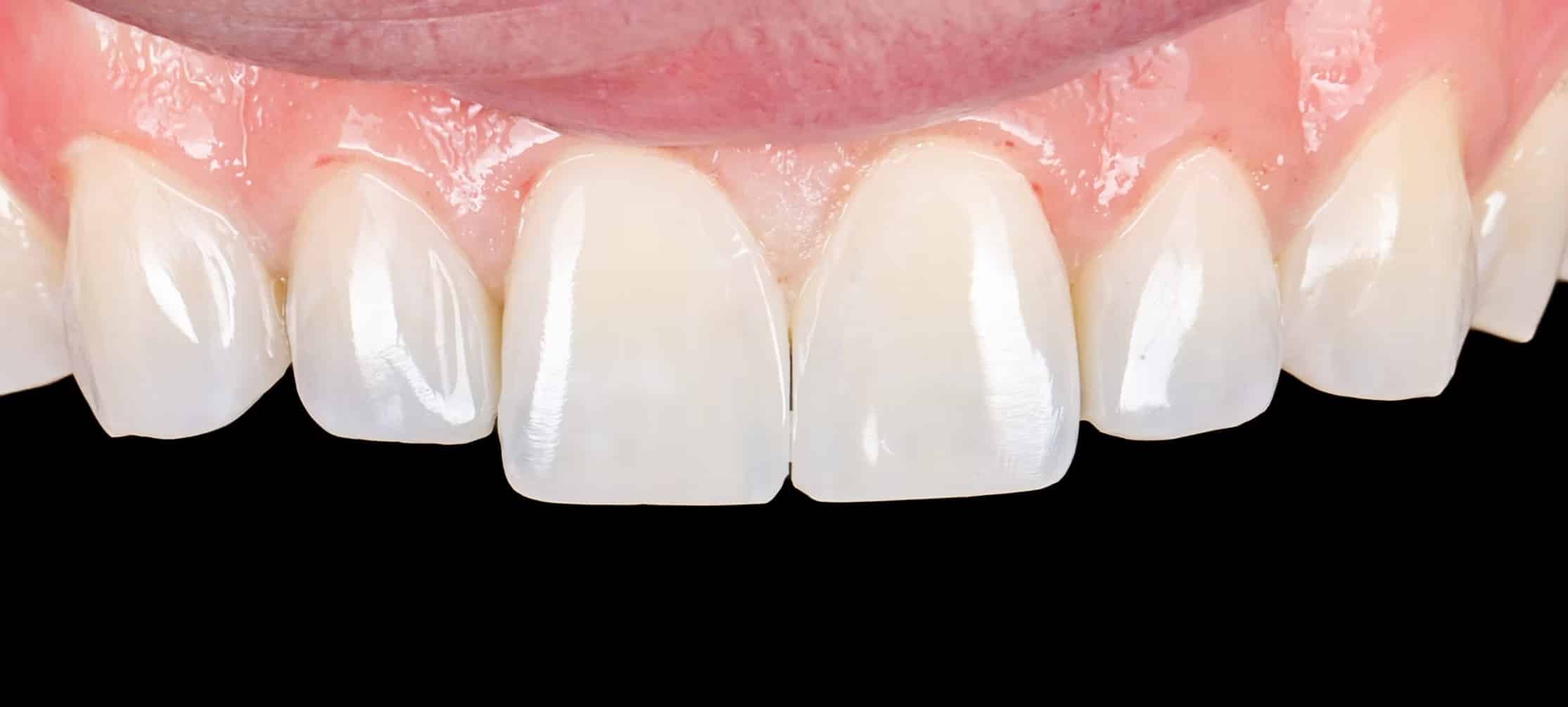
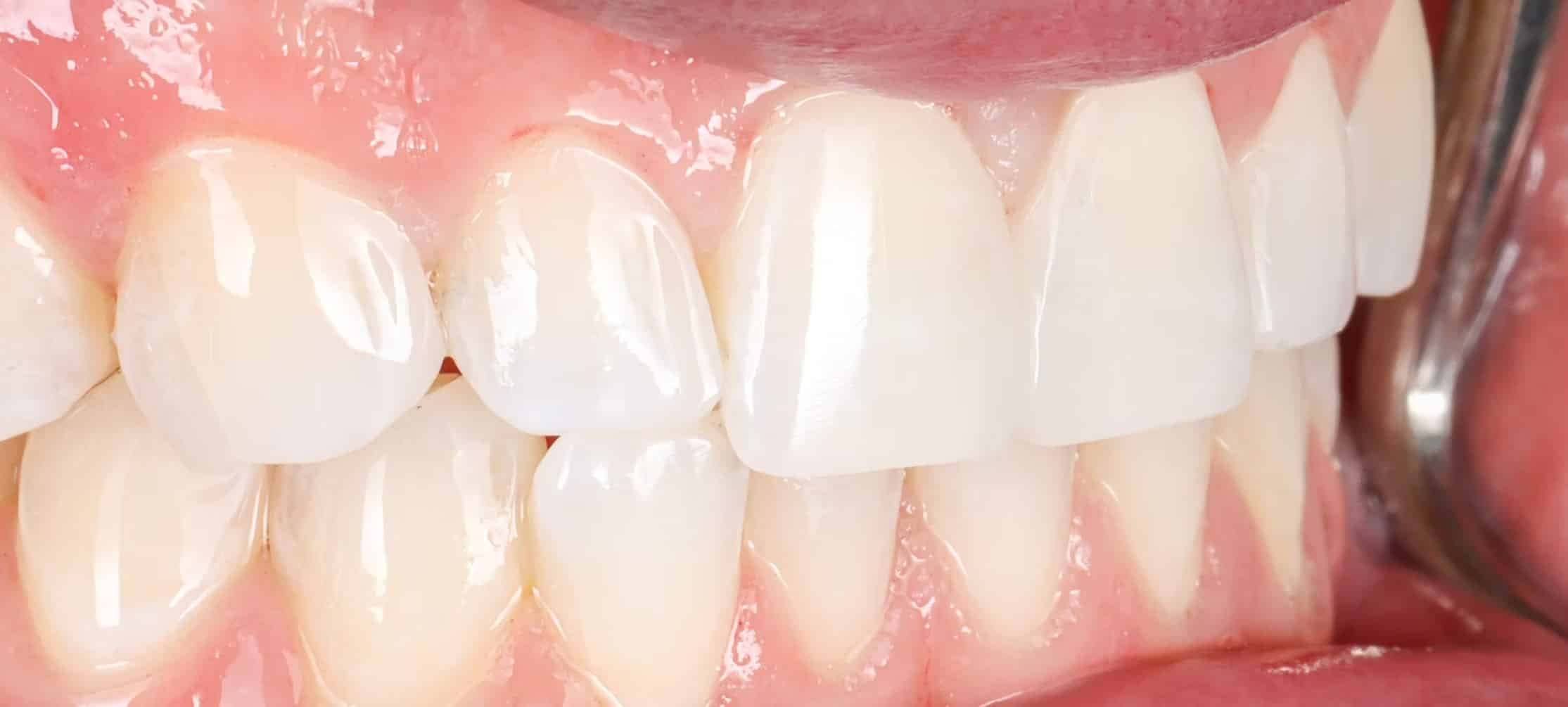

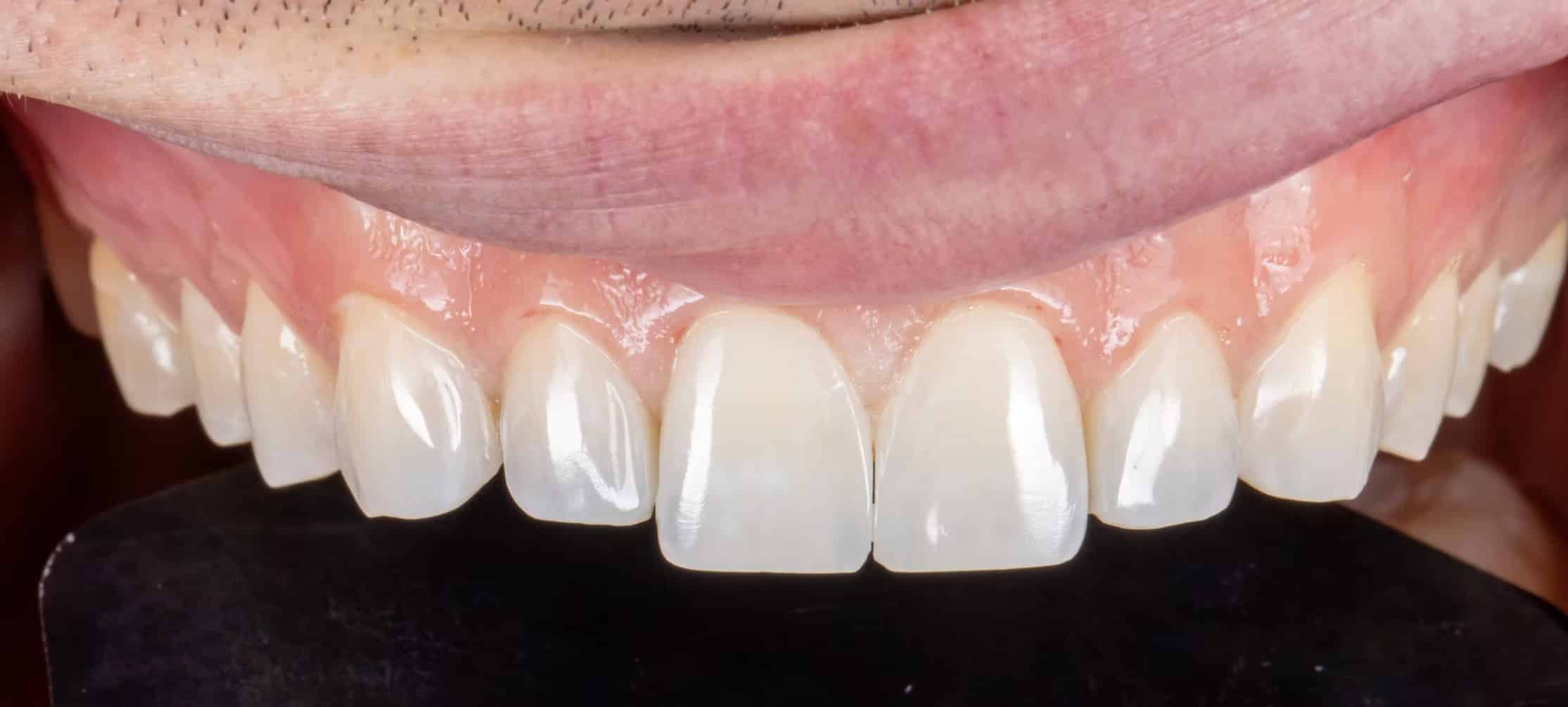
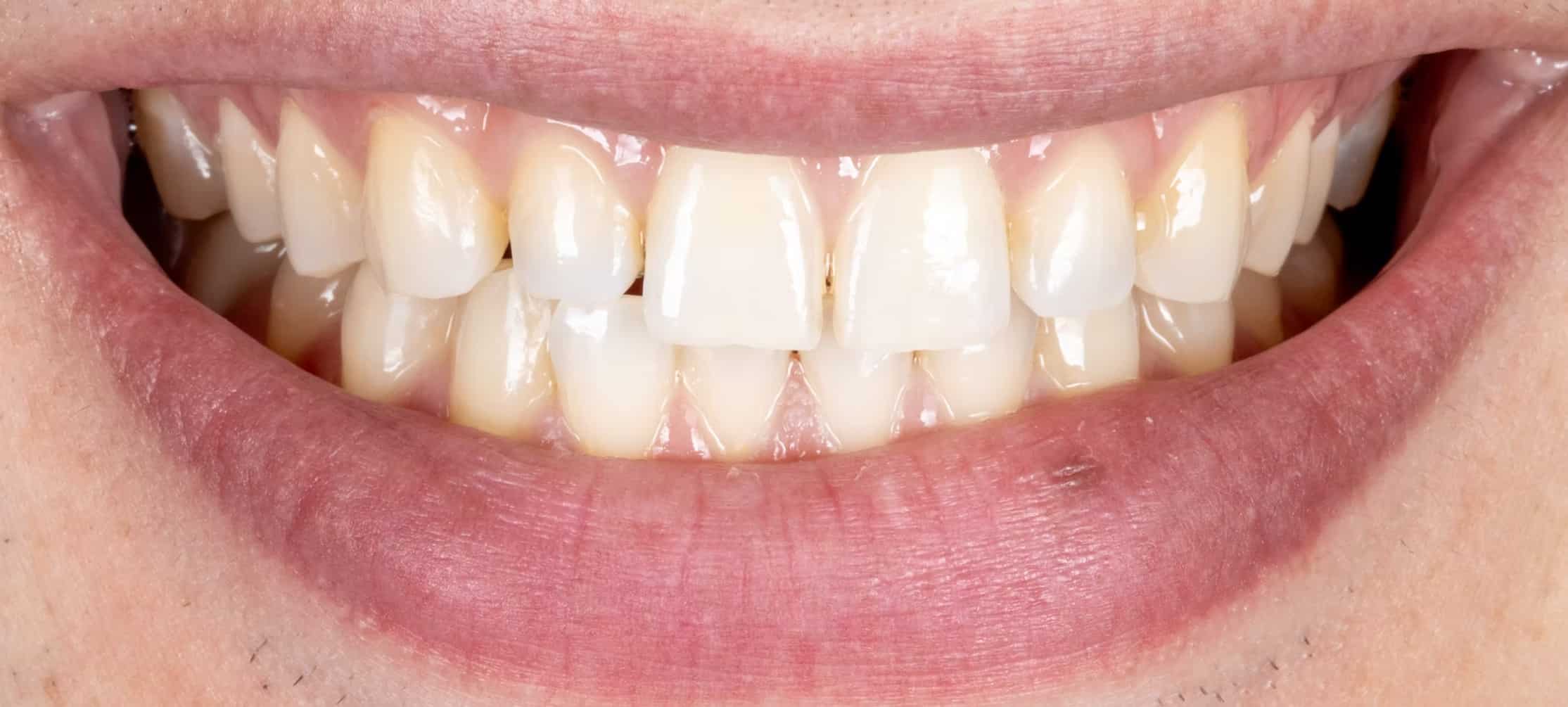
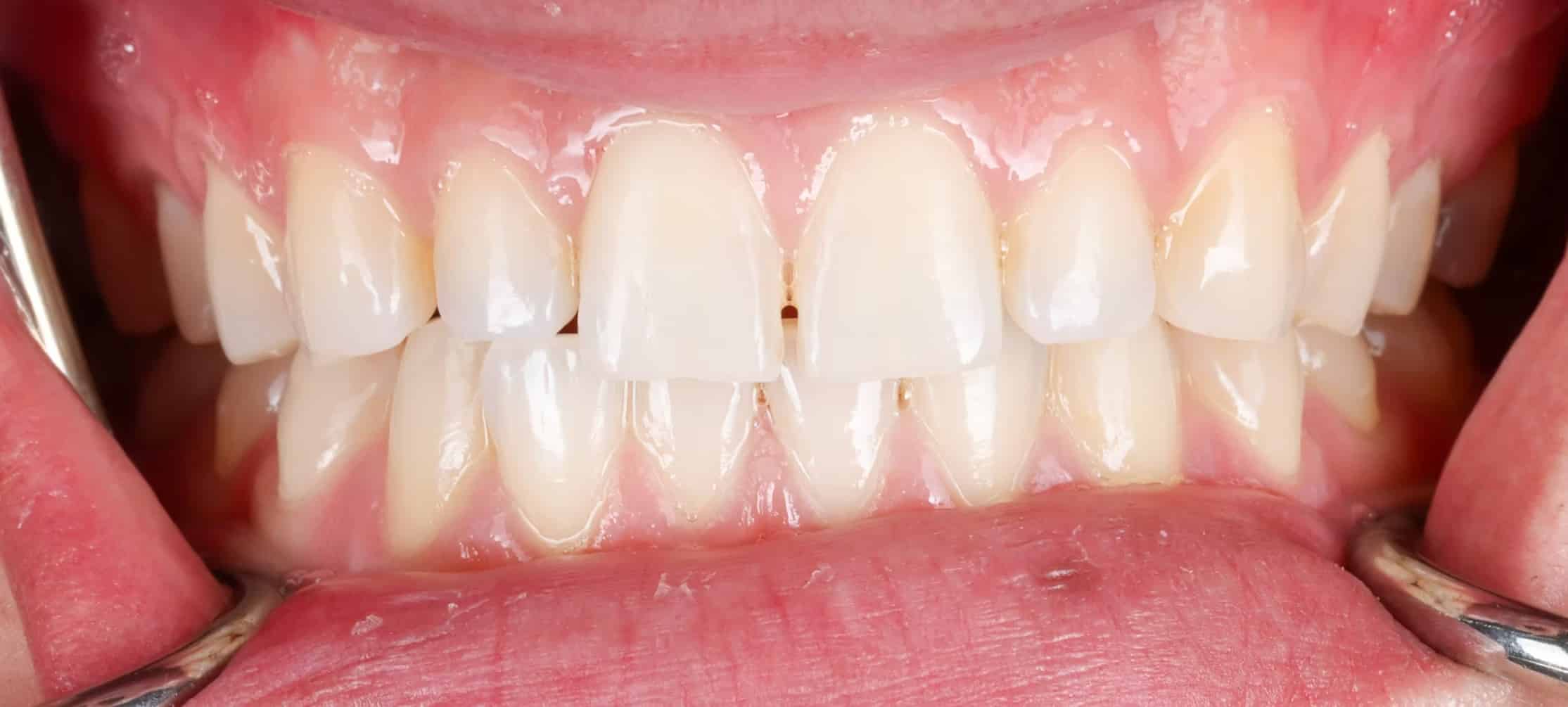

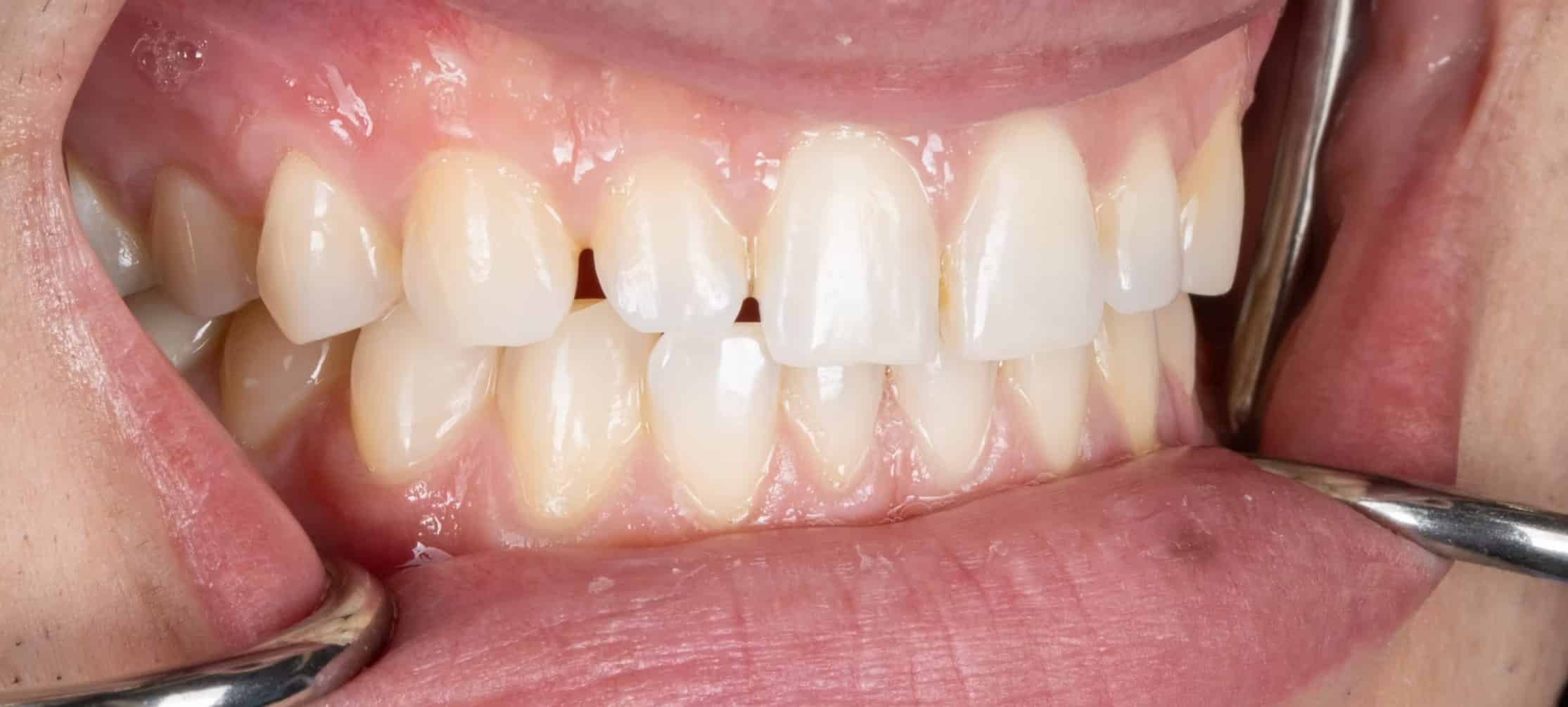
Non-Invasive Space Closure With Bonding
This case focuses on closing visible spacing with non-invasive composite bonding. Small gaps can change how the front teeth relate to each other and may make the smile feel less even, even when the teeth are otherwise healthy.
The treatment was planned additively, using composite to reshape tooth contours and close space with little to no drilling of healthy enamel.
Spacing between front teeth can come from tooth size, arch form, gum shape, bite, or a combination of factors. Before closing a gap, the proportions of the teeth need to be evaluated so the final result looks natural instead of overly wide.
In this case, non-invasive bonding was used to add volume where the teeth needed it and create a more continuous smile line. The approach preserved natural tooth structure while improving symmetry and balance.
Space closure with bonding is highly dependent on contour. The added material must be shaped so the teeth still have natural emergence, line angles, and a believable separation between them.
What Was Done?
- Assessment of the spacing and tooth proportions
- Planning for symmetric, natural contours
- Additive composite bonding to close the spaces
- Finishing and polishing
How We Do It
The plan emphasized conservative additive bonding, careful proportion control, and final polish so the closed spaces would look intentional, cleanable, and natural.
Frequently Asked Questions
What Does Non-Invasive Space Closure Mean?
It refers to additive treatment with little to no drilling.
Can Bonding Close Small Gaps Effectively?
Yes, many mild spacing cases are treated this way.
Is It A Natural-Looking Option?
With careful planning, yes.
Related Treatment Resources
For treatment context, explore composite bonding, Bioclear black triangle closure, how long composite bonding lasts, and the Bioclear Method for black triangles.
Ask About A Similar Result
Every smile and treatment plan is individual. Meet our dentists or request an appointment to discuss what may be appropriate for you. You can also call our office. Individual results vary.
Planning additive bonding for tooth spacing
This case at SOL Dental Arts in Maspeth, Queens describes additive composite bonding to close visible tooth spacing and refine contours. Treatment focused on conservative planning, proportion control, finishing and polishing.
For another patient, the dentist needs to assess the cause and size of the spaces, tooth shape, bite and gum health before recommending a plan. The contours should allow appropriate cleaning between the teeth. Photographs alone cannot establish whether the same approach is suitable.
Questions to discuss at your visit
- What is contributing to the spacing?
- Would bonding or another option fit my teeth and bite?
- How should the restored contacts and gumline be cleaned?
Care and follow-up
Follow the home-care and review schedule recommended by your treating dentist. Bonded restorations may need polishing, repair or replacement over time. Individual outcomes and maintenance needs vary.
Key Anatomical Factors In Additive Space Closure
- Calculating precise width-to-height tooth ratios to prevent front teeth from appearing overly broad or square
- Creating smooth subgingival contours that allow dental floss to glide easily without catching or tearing
- Preserving natural interdental embrasures to support firm, healthy gingival papillae between adjacent teeth
- Verifying low-dose digital x-rays to ensure root alignment and bone levels support additive resin placement
Advanced Micro-Layering & Same-Day Polishing Workflow
Achieving a seamless transition where composite resin meets natural enamel requires sophisticated material layering. Front teeth possess intricate optical depth, blending dense dentin shading with light-refracting, translucent enamel along the biting edges. Applying a single uniform shade across a gap can cause the restoration to look flat or cast grey shadows in ambient lighting.
During your visit to our practice in Maspeth, NY, our team hand-sculpts high-density nano-hybrid composite materials using a precise micro-layering technique. Dentin-shaded resins are placed first to block out background shadows, followed by custom translucent enamel layers that mimic natural light reflection. Fine diamond burs and multi-stage polishing pastes are applied to recreate realistic surface texture and deliver a mirror-smooth shine that resists stain accumulation.
Long-Term Care Guidelines For Bonded Space Closures
- Brush twice daily using a soft-bristled toothbrush and non-abrasive fluoride toothpaste to maintain surface polish
- Floss daily along interproximal margins using gentle, curved movements to protect surrounding soft tissues
- Refrain from using restored front teeth to open packaging, bite fingernails, or crunch on hard ice and candy
- Wear a custom-fitted laboratory nightguard during sleep if you exhibit signs of nighttime teeth clenching or grinding
- Attend regular professional check-ups so our team can evaluate bond margins, inspect tissue health, and repolish composite surfaces
KEEP EXPLORING
Explore related care
Explore the related treatments and get to know the team before making an appointment request.